

GO DEEPER THAN TRADITIONAL TALK THERAPY
Internal Family Systems therapy
in St. Louis, MO

When it feels like different parts of you want different things.
One part of you wants to rest, but another part insists you can’t slow down. You long for closeness, but another pulls away. You keep everything together for everyone else, but it’s exhausting, and you’re wishing someone would check on you for once.
Internal Family Systems (IFS) therapy offers a different way of understanding those experiences. Rather than trying to silence, fight against, or get rid of parts of yourself, we become curious about them, the roles they've been carrying, and the experiences that shaped them. As those deeper wounds begin to heal, those parts no longer have to work so hard.

IFS THERAPY CAN HELP YOU STOP FIGHTING WITH YOURSELF.
-
Internal Family Systems starts with the idea that having different parts is a natural part of being human. Some parts work hard to keep life under control, avoid mistakes, care for others, or stay one step ahead. Others step in quickly when emotions become too much, reaching for distraction, escape, or relief. Beneath these protective patterns, we may also carry younger parts shaped by experiences that still influence how we feel and respond today.
IFS also recognizes that there is more to you than any one of these parts. At your core is a capacity for compassion, curiosity, confidence, clarity, and connection. As deeper wounds heal, there is more room to move through life from this steadier place.
-
IFS therapy involves slowing down and paying attention to what is happening inside rather than immediately trying to change, manage, or analyze it. Together, we begin to notice the parts that show up, understand the roles they’ve taken on, and build enough trust with protective parts to work with what lies underneath.
The process is collaborative and moves at a pace that respects your internal system. Over time, we can work toward healing the experiences, beliefs, and emotions that protective parts have been carrying or working so hard to keep out of reach.
-
IFS can be especially helpful when you understand your patterns but still feel stuck in them. You may know why you overthink, people-please, shut down, procrastinate, reach for distraction, or push yourself relentlessly, yet insight alone hasn’t changed what happens in the moment.
IFS allows us to work more directly with the patterns underneath anxiety, perfectionism, self-criticism, relationship difficulties, trauma, emotional overwhelm, avoidance, and coping strategies that provide temporary relief but create other problems. The goal is to help heal what keeps these patterns working so hard, creating more room for flexibility, connection, and choice.


ULTIMATELY, WHAT MATTERS MOST IS THIS:
You don’t need to understand the model, know the names of your parts, or read a single book about IFS to experience healing. My job is to know the model so you can focus on being yourself.
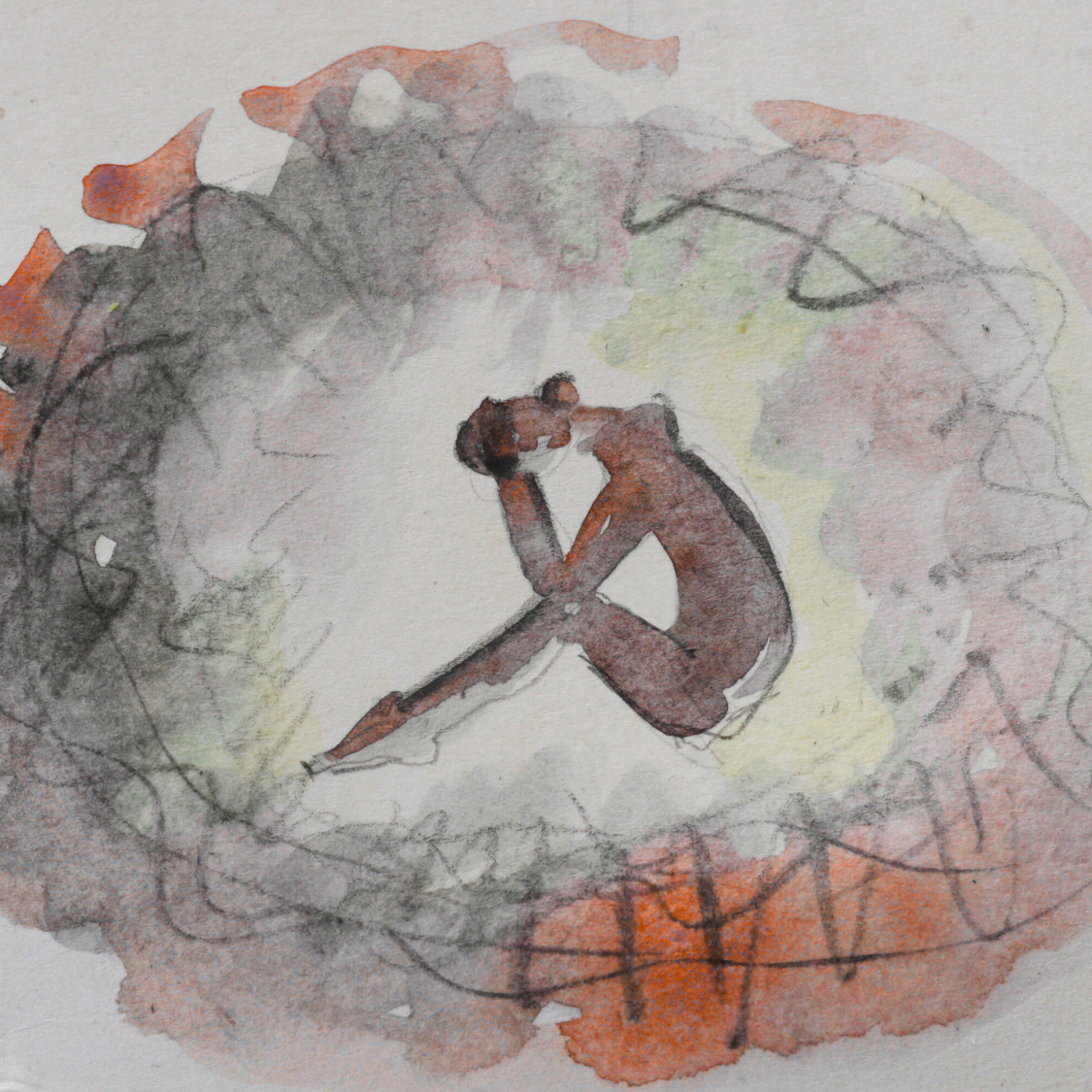
What IFS Can Untangle
-
You’ve spent a lot of your life trying to get things right.
You work hard, anticipate what others need, hold yourself to high standards, and feel responsible when something goes wrong. Even when you’re exhausted, slowing down or disappointing someone can feel harder than continuing to push through. IFS helps heal the experiences and beliefs that keep these parts working so hard.
-
You know exactly why you do this, but you can’t seem to stop doing it.
You’ve done therapy, learned coping skills, and gained plenty of insight into your patterns. Yet the same reactions keep showing up. IFS allows us to move beyond understanding why a pattern exists and work toward healing what continues to drive it.
-
Your mind is always preparing for what might happen next.
You research, plan, rehearse conversations, run through every possible outcome, or look for reassurance that you’re making the right decision. IFS helps us work with the parts that believe staying one step ahead is the only way to keep you safe.
-
Sometimes you just want everything inside to stop for a while.
You scroll, procrastinate, numb out, binge, drink, shop, lash out, or pull away, even when you know you’ll feel worse afterward. IFS helps us understand what these reactions are responding to and heal what has made relief feel so urgently necessary.
-
The past is over, but parts of you are still carrying it.
Experiences from long ago can continue shaping how you relate to yourself, your emotions, your body, and the people around you. IFS offers a way to work with what you’re still carrying and heal the experiences that continue to shape your life today.

IMAGINE RELATING TO YOURSELF DIFFERENTLY
Healing doesn’t mean getting rid of the parts of you that feel anxious, critical, overwhelmed, or reactive. As the experiences underneath these patterns begin to heal, parts no longer have to work so hard or stay stuck in the same roles. The qualities they’ve carried all along can begin to show up differently, creating more room for creativity, playfulness, adventure, connection, and joy.
Imagine a life where…

01 YOU SPEND LESS TIME FIGHTING WITH YOURSELF
You no longer have to choose between pushing harder and giving up, holding everything in and falling apart, or wanting closeness and pulling away. As the conflict inside begins to shift, there is more room to respond to what you actually need.
02 YOU’RE NO LONGER RUN BY THE SAME OLD PATTERNS
The reactions you’ve spent years trying to manage begin to lose their urgency. Instead of relying on willpower or another coping skill to override them, deeper healing allows you to respond with more flexibility when life gets hard.
03 YOU FEEL MORE LIKE YOURSELF
As parts no longer have to work so hard, there is more room for the qualities that may have felt difficult or unsafe to access: confidence, compassion, curiosity, courage, clarity, creativity, calm, and connection.

READY TO DO THINGS DIFFERENTLY?